


Government contracts for road reflector signs represent a significant business opportunity in Pakistan’s expanding infrastructure sector. With the Pakistan Public Procurement Regulatory Authority (PPRA) overseeing billions in annual procurement spending, highway safety suppliers can tap into lucrative contracts by understanding the system’s requirements and building proper qualifications.
This blog article reveals the step-by-step process for winning government contracts, from navigating PPRA tenders to meeting technical specifications for government-approved reflectors.
Whether you’re a new supplier or looking to expand your government business, mastering these procurement strategies can unlock substantial revenue opportunities in Pakistan’s growing road safety market.
Key Takeaways!
| Category | Key Points | Action Required |
|---|---|---|
| Procurement System | PPRA oversees all government tenders; Multiple agencies issue contracts (NHA, Provincial Highway Departments) | Register on PPRA portal; Monitor agency-specific websites |
| Technical Requirements | Government-approved reflectors need ISO certifications; Must meet retroreflectivity and durability standards | Obtain necessary certifications; Ensure product compliance |
| Tender Categories | Contracts range from PKR 50K to multi-million projects; Different documentation for each threshold | Prepare appropriate bid documents; Target suitable tender values |
| Business Qualifications | Valid registrations, financial credentials, and insurance required; Track record crucial for success | Complete all legal requirements; Build portfolio through smaller projects |
| Proposal Strategy | Technical and financial proposals must be comprehensive; Value engineering and warranty important | Develop detailed proposals; Offer competitive pricing with guarantees |
| Relationship Building | Industry associations and partnerships enhance opportunities; Long-term relationships crucial | Join relevant associations; Build strategic partnerships |
| Compliance Management | Extensive documentation required pre and post-contract; Quality control systems essential | Implement robust documentation systems; Maintain compliance records |
| Success Factors | Continuous improvement and innovation leadership required; Customer satisfaction drives repeat business | Invest in technology upgrades; Focus on client relationship management |
Understanding Pakistan’s Government Procurement System
Pakistan’s government procurement operates through a structured system designed to ensure transparency, fairness, and value for money. The Pakistan Public Procurement Regulatory Authority (PPRA) serves as the primary regulatory body overseeing government tenders and contracts across all sectors, including road infrastructure and safety equipment.
1. Key Procurement Agencies for Road Safety Equipment
Several government agencies regularly issue tenders for road reflector signs and highway safety equipment:
- National Highway Authority (NHA): Manages major highways and motorways
- Provincial Highway Departments: Handle provincial road networks
- District Governments: Oversee local road infrastructure
- Frontier Works Organization (FWO): Military engineering organization handling road construction
- National Logistic Cell (NLC): Transportation and logistics services
Understanding which agency handles specific projects is crucial for targeting your proposals effectively.
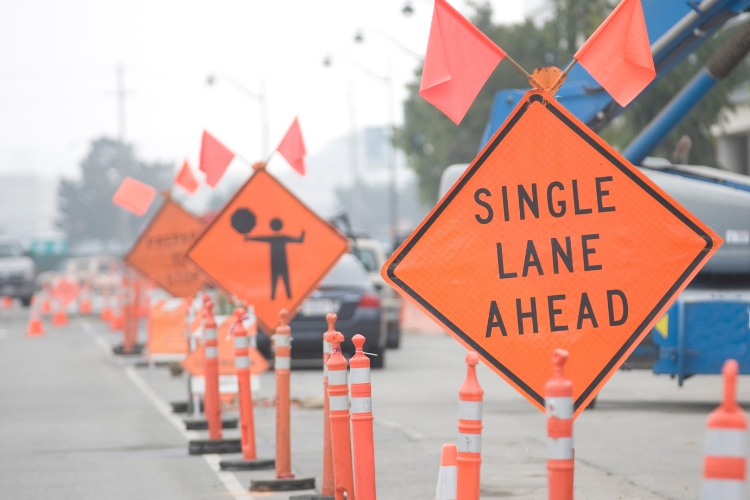
Essential Requirements for Government-Approved Reflectors
Before pursuing government contracts, ensure your road reflector signs meet Pakistan’s stringent quality and safety standards. Government-approved reflectors must comply with specific technical specifications that align with international safety standards while considering local road conditions.
1. Technical Specifications and Standards
Road reflector signs for government projects typically must meet these requirements:
Material Standards:
- High-grade retroreflective sheeting (typically Type III or higher)
- Weather-resistant aluminum substrates
- Corrosion-resistant mounting hardware
- UV-stable materials for long-term durability
Performance Criteria:
- Minimum retroreflectivity values as per ASTM or EN standards
- Wind load resistance specifications
- Temperature range compatibility (-20°C to +60°C)
- Minimum 10-year lifespan guarantee
Certification Requirements:
- ISO 9001:2015 quality management certification
- Product testing certificates from recognized laboratories
- Compliance with Pakistan Standards and Quality Control Authority (PSQCA) requirements
- Environmental impact assessments where applicable

Navigating PPRA Tenders for Road Signs
The PPRA tender system serves as the primary gateway for government contracts in Pakistan. Understanding how to effectively navigate this system significantly increases your chances of winning contracts.
1. PPRA Tender Categories and Thresholds
Government tenders are categorized based on value thresholds:
| Tender Value | Procurement Method | Required Documentation |
|---|---|---|
| Up to PKR 50,000 | Direct Purchase | Basic quotation |
| PKR 50,001 – 500,000 | Limited Tendering | Technical and financial proposals |
| PKR 500,001 – 2,000,000 | Open Tendering | Comprehensive bid documents |
| Above PKR 2,000,000 | International Competitive Bidding | Full ICB documentation |
2. Finding Relevant Tenders
Stay informed about upcoming opportunities through these channels:
- Official PPRA Portal: The primary source for all government tenders, featuring advanced search filters for road safety equipment
- Agency-Specific Websites: Major agencies like NHA maintain dedicated procurement sections with specialized tenders
- Newspaper Publications: Legal requirement for major tenders to be published in national newspapers
- Industry Networks: Professional associations and chambers of commerce often share tender information

Building Your Qualification Portfolio
Success in government contracting requires a robust qualification portfolio that demonstrates your capability to deliver quality road reflector signs consistently.
1. Essential Business Qualifications
Legal and Regulatory Compliance:
- Valid business registration with relevant authorities
- Tax registration and compliance certificates
- Professional licenses for manufacturing or trading
- Environmental clearance certificates where applicable
Financial Credentials:
- Audited financial statements for the past three years
- Bank statements and credit facility documentation
- Performance guarantees and bond arrangements
- Insurance coverage for products and operations
Technical Capabilities:
- Manufacturing facility certifications
- Quality control laboratory capabilities
- Technical staff qualifications and certifications
- Research and development capabilities
2. Developing a Strong Track Record
Government agencies prioritize suppliers with proven track records. Build your portfolio through:
Private Sector Experience: Demonstrate expertise through commercial projects before pursuing government contracts
Small Government Projects: Start with smaller municipal contracts to build government experience
Subcontracting Opportunities: Partner with established contractors to gain project experience
International Projects: Showcase global experience and standards compliance

Technical Specifications and Compliance
Understanding and meeting technical specifications is crucial for winning government contracts for road reflector signs. Government agencies specify detailed requirements based on road conditions, traffic patterns, and safety standards.
1. Critical Technical Elements
Retroreflectivity Performance:
- Minimum coefficient of retroreflection values
- Color specifications for different sign types
- Angular requirements for optimal visibility
- Durability standards for retroreflective materials
Structural Requirements:
- Wind load calculations for different installation heights
- Foundation specifications for various soil conditions
- Mounting system compatibility with existing infrastructure
- Maintenance accessibility requirements
Environmental Considerations:
- Resistance to temperature extremes
- Moisture and humidity tolerance
- Chemical resistance for industrial areas
- Recyclability and environmental impact
Proposal Preparation Strategies
Winning government contracts requires meticulously prepared proposals that address technical requirements while demonstrating value for money.
1. Technical Proposal Components
- Executive Summary: Clear overview of your solution and unique value proposition
- Technical Approach: Detailed methodology for manufacturing, installation, and maintenance
- Product Specifications: Comprehensive technical data sheets with performance guarantees
- Quality Assurance Plan: Testing procedures, quality control measures, and compliance documentation
- Project Timeline: Realistic delivery schedules with milestone markers
- Risk Management: Identification and mitigation strategies for potential challenges
2. Financial Proposal Best Practices
- Cost Structure Transparency: Detailed breakdown of material, labor, and overhead costs
- Value Engineering: Suggestions for cost optimization without compromising quality
- Payment Terms: Flexible payment schedules aligned with project milestones
- Warranty and Maintenance: Comprehensive after-sales support packages
Building Relationships with Highway Safety Suppliers
The road safety industry in Pakistan operates on strong professional relationships and partnerships. Building these connections can significantly enhance your chances of winning government contracts.
1. Industry Association Participation
- Pakistan Road Safety Association: Connect with safety professionals and stay updated on industry developments
- Chamber of Commerce Membership: Access networking opportunities and business development resources
- International Safety Organizations: Demonstrate commitment to global best practices
2. Strategic Partnerships
- Local Manufacturing Partners: Collaborate with established manufacturers for production capacity
- Installation Contractors: Partner with experienced installation teams for turnkey solutions
- Maintenance Service Providers: Offer comprehensive lifecycle support packages
- Technology Partners: Collaborate with firms offering complementary safety technologies
Compliance and Documentation Requirements
Government contracts require extensive documentation and ongoing compliance monitoring. Establishing robust systems for documentation management is essential for long-term success.
1. Pre-Contract Documentation
- Qualification Documents: Maintain current versions of all certification and compliance documents
- Insurance Certificates: Ensure adequate coverage for products, installation, and professional liability
- Health and Safety Protocols: Comprehensive safety management systems for all operations
- Environmental Compliance: Documentation of environmental impact assessments and mitigation measures
2. Post-Award Compliance
- Progress Reporting: Regular updates on project milestones and deliverables
- Quality Documentation: Test reports, inspection certificates, and quality assurance records
- Financial Reporting: Detailed cost tracking and financial performance documentation
- Change Management: Proper procedures for handling project modifications and variations
Common Pitfalls and How to Avoid Them
Learning from common mistakes can save time, resources, and improve your success rate in government contracting.
1. Technical Pitfalls
- Inadequate Technical Understanding: Invest in technical expertise and stay updated on evolving standards
- Underestimating Compliance Requirements: Allocate sufficient resources for compliance activities
- Poor Quality Control: Implement robust quality management systems from the outset
2. Business Process Pitfalls
- Insufficient Documentation: Maintain comprehensive records of all business activities and communications
- Inadequate Financial Planning: Ensure sufficient working capital and cash flow management
- Poor Stakeholder Management: Develop strong relationships with all project stakeholders

Long-Term Success Strategies
Building a sustainable business in government contracting requires strategic planning and continuous improvement.
1. Continuous Improvement Initiatives
- Technology Adoption: Stay current with emerging technologies in road safety equipment
- Process Optimization: Continuously refine business processes for efficiency and quality
- Staff Development: Invest in employee training and professional development
- Market Expansion: Explore opportunities in related sectors and international markets
2. Relationship Management
- Customer Satisfaction: Prioritize customer satisfaction in all interactions
- Feedback Integration: Actively seek and implement feedback from government clients
- Performance Measurement: Establish key performance indicators and track progress
- Innovation Leadership: Position your company as an innovation leader in road safety solutions
Conclusion
Winning government contracts for road reflector signs in Pakistan requires a comprehensive understanding of the procurement system, technical requirements, and relationship-building strategies. Success depends on demonstrating technical competence, maintaining regulatory compliance, and building strong partnerships within the industry.
The road safety market in Pakistan continues to grow, driven by infrastructure development and increasing safety awareness. Companies that invest in quality systems, technical expertise, and strong relationships with government agencies will find significant opportunities for growth and profitability.
By following the strategies outlined in this guide and maintaining a commitment to excellence, your business can successfully compete for and win government contracts in Pakistan’s road safety sector. Remember that success in government contracting is a long-term endeavor requiring patience, persistence, and continuous improvement.
The key to sustainable success lies in viewing government contracting not just as a business opportunity, but as a partnership in improving Pakistan’s road safety infrastructure and protecting the lives of millions of road users across the country.
FAQs
1. What are the minimum requirements to bid for PPRA road sign tenders?
To bid for government road sign contracts, you need valid business registration, tax compliance certificates, and relevant manufacturing or trading licenses. Your products must meet government-approved specifications with proper ISO certifications. Financial requirements include audited statements for three years, bank guarantees, and adequate insurance coverage. Starting with smaller municipal contracts helps build the track record necessary for larger PPRA tenders.
2. How do I find and access government tenders for road reflector signs?
Government tenders are primarily available through the official PPRA portal, which offers search filters for road safety equipment. Major agencies like the National Highway Authority (NHA) also maintain dedicated procurement sections on their websites. Legal requirements mandate publication of significant tenders in national newspapers. Additionally, joining industry associations and chambers of commerce provides access to tender information and networking opportunities with other suppliers.
3. What technical specifications must road reflectors meet for government approval?
Government-approved road reflectors must use high-grade retroreflective sheeting (Type III or higher) with weather-resistant aluminum substrates. They need to meet specific retroreflectivity values per ASTM or EN standards, withstand temperature ranges from -20°C to +60°C, and provide minimum 10-year lifespan guarantees. Products require testing certificates from recognized laboratories and compliance with Pakistan Standards and Quality Control Authority (PSQCA) requirements.
4. How long does the government contract award process typically take?
The PPRA tender process typically takes 6-12 weeks from tender publication to contract award, depending on project complexity and value. This includes tender submission periods (usually 2-4 weeks), technical evaluation (2-3 weeks), financial evaluation (1-2 weeks), and approval processes (2-4 weeks). Larger contracts above PKR 2 million may take longer due to additional approval requirements. Suppliers should plan accordingly and maintain adequate working capital for the extended timeline.